Page 6 of His Haunted Duchess
“And how is your father, dear? He was such a dear friend to my husband, you know, so many years ago.” She put a hand on her heart. “I certainly shan’t forget it.”
“Nor I,” Frederic added dryly. The Marquess of Wheybridge, after his father’s death, had not only been revealed to have been his greatest friend but also one of the creditors to which the Blackmore family owed the most. Esther shot Frederic the subtlest of warning glances. Lady Felicity, with her eyes absorbed wholly by the duchess’ eligible, attractive, and uncomfortable son, did not notice.
“My father is well, thank you, or at least as well as I am.”
A pause. Frederic kept stubbornly silent, knowing full well his unspoken obligation to present a compliment of some sort. If he could have found an opportunity for a compliment in Felicity that she wouldn’t treasure as a joyful scrap of his nonexistent regard, he would have presented it gladly. The silence stretched on.


The duchess did not grind her teeth, but he imagined she found it a sore trial not to. Frederic, as he had learned through careful experience, ignored her inclination and held fast to his own. His eyes passed over the card rooms, which he never entered, searching for an excuse to leave the group.
“I supposed you’ve heard, Your Grace,” Felicity mentioned, “of the ball’s most compelling draw.”
Frederic raised his eyebrows.
“Here you know more than I, my lady. What exactly is the draw of this ball?”
Felicity giggled as if he had made a joke. His mother repeated, less subtly, the warning glance.
“Someone in attendance,” she lowered her voice, “is cursed.”
“Cursed?” echoed Esther. “How so?”
“Twelve years ago, the Earl of Pranton and his family—the Dreshers, you know—set out on a journey on a dark and stormy night.”
Felicity stepped aside as a group of ladies filed past them. Frederic resisted the urge to follow them. At least he wouldn’t need to speak to anyone if he looked like he was going somewhere on purpose.
“But,” Felicity continued, “when the carriage passed over a rotting bridge, the swell of the river swept it away—along with every living soul inside.”
Frederic clasped his hands behind his back. Esther shook her head in sympathy.
“What a tragic story. My heart goes out to the family.”
Felicity blinked.
“Yes, well—I’m sure it was very sad, especially at the time, but the most important element to us tonight is the sole survivor.”
“A survivor? Didn’t the entire family perish?”
Felicity lowered her voice to barely above a whisper.
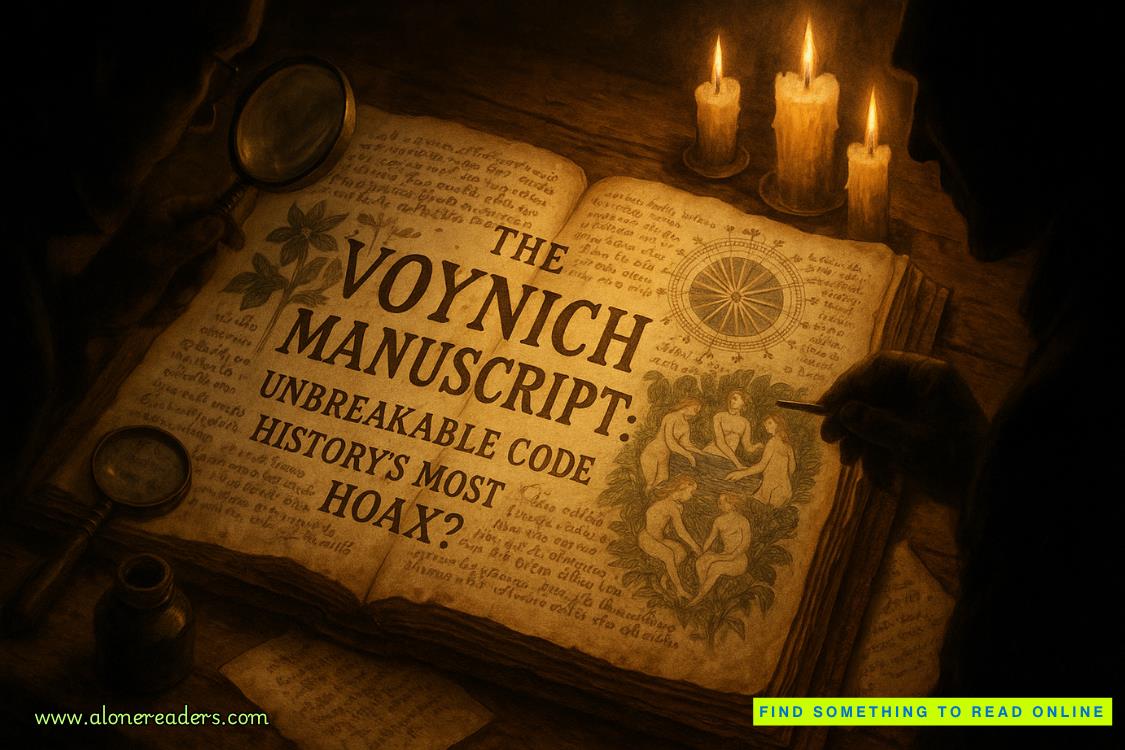
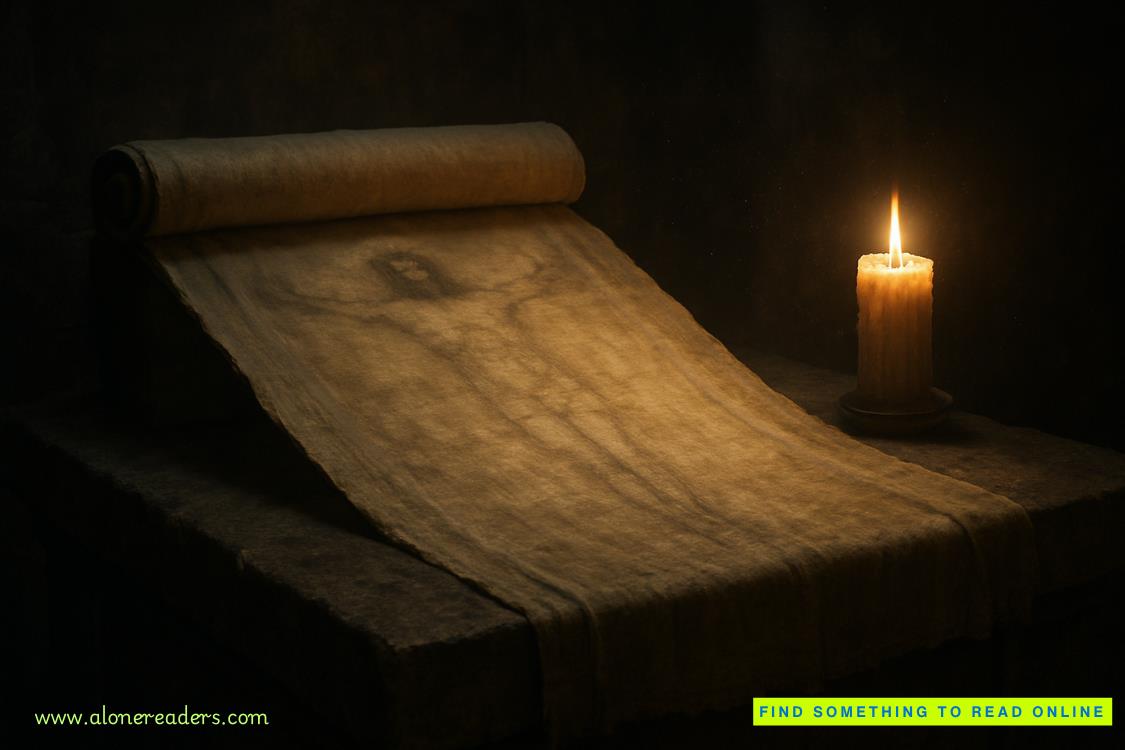
“All, save one. Passersbys saw a dripping lady walking out of the water, trailing weeds and bearing the smoking carriage lantern in her hand, a black mark upon her brow.”
Esther fanned herself a little more quickly. Frederic frowned. He had never been one for ghost stories. The world itself was terrifying enough without conjuring a phantom with which to mask fears and superstition.
“Surely they were mistaken,” he suggested. “They must have been overwrought from the tragedy.”
Felicity tossed her head.
“I’ve heard it from the best authority. It is very likely not a mistake.”
Frederic pursed his lips but said nothing. Long, exhausting experience had taught him that once ladies like Felicity decided to believe in something, no earthly persuasion could influence them otherwise. She fluttered her eyelashes coyly, perhaps hoping to maintain an aura of mystique.
“After the accident, the lady joined the household of her illustrious aunt, the Viscountess of Vaugh. It’s said no other soulbut the three of them—the lady, her maid, and the viscountess—live in the house, surrounded by the ghosts of the past.”
“No other soul?” Frederic broke in. “If they’re people of sufficient means, as a viscountess would surely be, they must have at least a servant or two to assist about the house.”
His mother looked at him disapprovingly. Here again, Frederic was adamant. Ghost stories about figures long gone were one thing, and he would—grudgingly—endure them. Gossip was quite another. Felicity straightened her glove.
“I’m only repeating what I’ve just heard, of course, and I can’t be responsible for any of the particulars.”