Page 13 of And Still Her Voice
“We’ve been following the teachings of Dr. Martin Luther King,” Betsy said, and I nodded to show interest. “He talks about how racism is still deeply rooted all over America.” She placed the baby on her shoulder to pat her back. “His wife Coretta says women are the backbone of the Civil Rights Movement. Have you heard them speak?”
I’d just heard King on the television last week, but before I could answer, the baby burped, spitting out breast milk and thankfully taking Betsy’s attention away for the moment to clean up the mess. I looked out the window, remembering.
Holy Thursday meatloaf and mashed potato night, the night before Good Friday fishsticks and fries. My family had gathered around the dinner table with the evening news blaring in the background as usual. “Didn’t Johnson just sign that Civil Rights bill?” Dad said as I finished setting the table. He took his knife and stabbed into the meatloaf. “And they got their voting rights. Now what do they want?” he asked as Mom walked in from the kitchen carrying a pot of mashed potatoes.
“Didn’t I just see another warning sign down on Harvey Drive saying,‘Darkie, don’t let the sun go down on you in our town’?”she asked, and I sensed the leading question—leading to trouble.



“As long as you’re home by dinner, you should be fine,” Dad snickered.
“Cabrón,” Mom said, slopping down a spoonful of mashed potatoes onto his plate, splashing his face. Dad didn’t know yet about her GED classes. He thought she’d been hanging out at some Bible study meeting. She’d have me drive her to the high school once a week and wait for her.
She marched back into the kitchen just before Dad threw his plate after her. The plate crashed against the wall, the ketchup like blood dripping down.
“Teresa, come back here,” he yelled, wiping the food off his face, the chair scraping the floor as he got up to follow her into the kitchen. “Just joking.”
I tried to swallow the noise. Every night an explosion of words or an eruption of more of the same old vitriol about how Dad thought he was better than Mom. “Son of a bitch,” she yelled from the kitchen. Fighting words.
“Don’t you call me that!”
I went and sat in front of the “boob tube,” as Dad called it.
“Dammit Anna, come sit back down. And eat!” He returned with a can of beer. It was only Thursday; he wouldn’t be waiting until the next day to get drunk.
“I’m not hungry and I want to listen.” I dared to stand up for myself. I wanted to understand what we were doing in Vietnam and what Dr. King said about the connection between the war and the struggles in America.Like home.
“Turn that shit off.” He popped open his Pabst Blue Ribbon, his fat stomach bulging, like a bowl of mashed potatoes, under his white T-shirt.
Mom took her place across from him. “Anna, get over here and clean up this mess.”
***
The inside of the tiny car felt toasty. Even through the static on the radio, I heard bits and pieces about Vietnam, sensing a certain irony. The war had seemed so foreign to me from inside the four walls of our violent family room in Glendale and yet that’s where Mom and Dad argued over every little thing, whereyou had to duck and cover, step lightly so as not to set off a grenade. I traced a smiley face on the back steamed-up window.
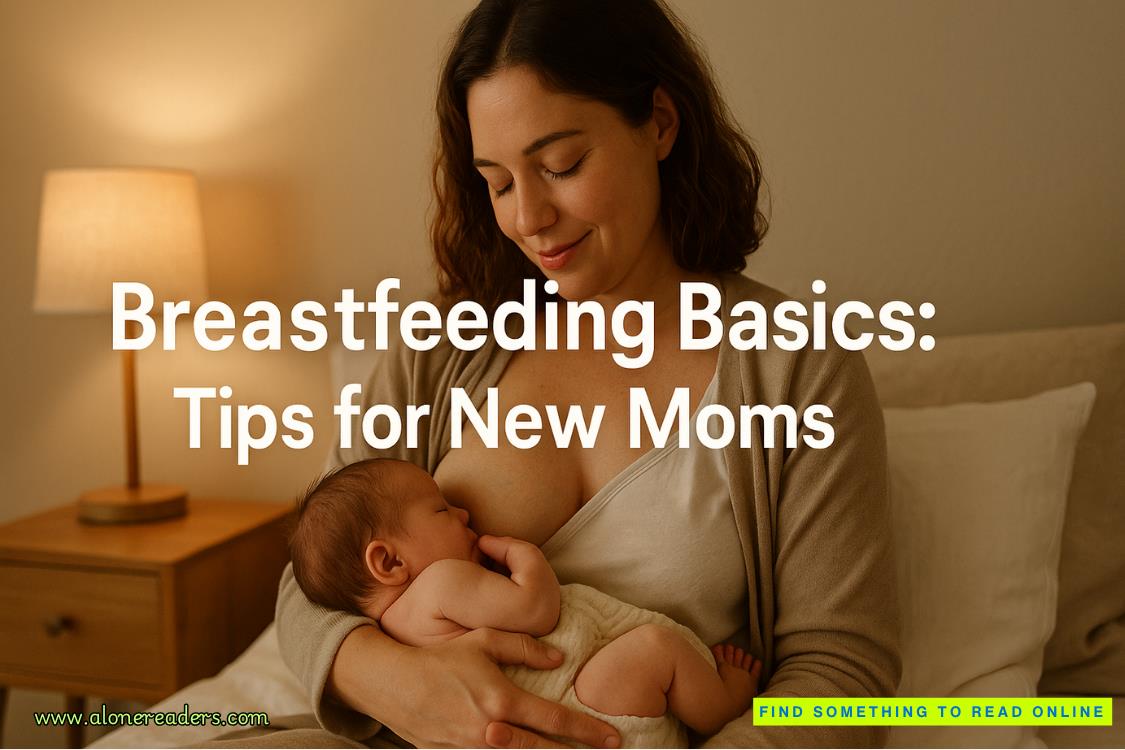
The baby fell asleep, and as I helped settle her in the back seat next to me, her little mouth puckered as if she was still nursing.
“They’re killing babies,” Betsy said, switching off the radio dial.
“What?”
“War is the enemy of the poor,” she added, twisting around to look at me.
“Lord, I thought she was done talking,” Grandma said.
“What?” Betsy asked.
I fake coughed. “You were talking? Who’s ‘killing babies’?”
“They’re using children as soldiers. There used to be hope but now the government is focused on Vietnam and it’s taking our young people. Sucking away their money and skills. So, you see, the war is an enemy of the poor. Americans speak of peace and yet continue to drop bombs on the poor, weak nation. What this does is take the focus off the poor, disenfranchised people of America.” Betsy barely took a breath in between sentences. “They’re killing babies,” she said again.
I perked up. Had I heard correctly?
Ben reached over to tap her thigh and said, “Babe, make love not war.” Betsy looked at him adoringly. “Enough of the news broadcast, let’s listen to some music for a while.”
“Sorry,” she whispered, reaching over to turn the radio back on.
“I thought she’d never be quiet,” Grandma whispered as the engine purred along.
I wiped the smiley face off the window to look out. That song about silence being golden came on. Ben and Betsy looked at each other, laughed, and then sang along. So much for silence.